
Author
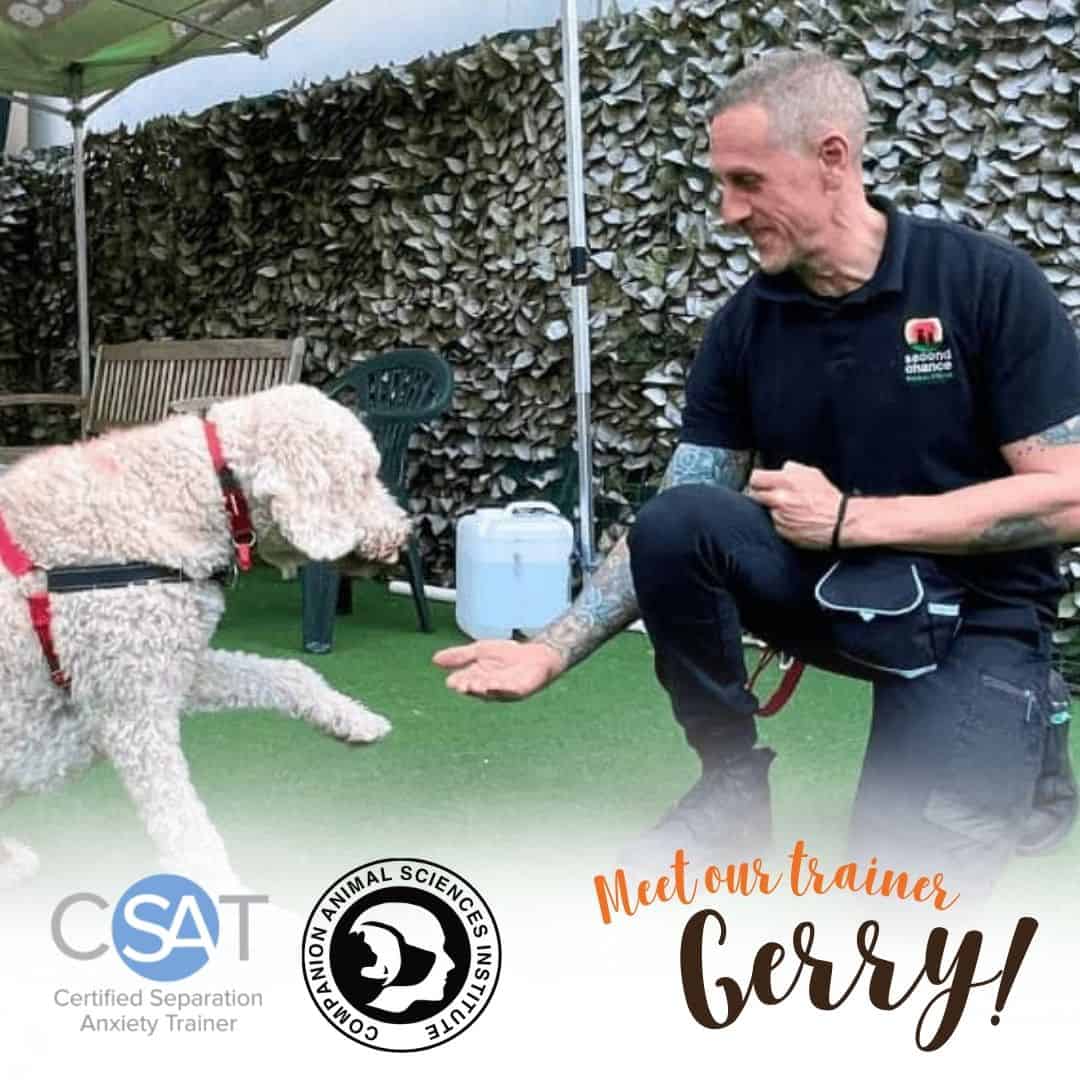
Gerry Pearson (CBST, CSAT)
Certified Separation Anxiety Trainer at Second Chance Animal Rescue
Posted
June 20, 2026
Understanding separation anxiety in dogs and what effective treatment actually looks like, from panic and distress through to calm, confident alone time.
Sarah hadn’t left her house alone in months.
Not because she didn’t want to.
Because every time she walked out the front door, her dog Leo would spiral into panic.
The neighbours complained about the barking. She came home to scratched doors, eliminating in the house, and a dog so distressed he would be trembling when she returned. Friends told her he would eventually “get used to it.” Others said she was babying him.
So, Sarah tried leaving him for longer… And things got worse.
If you’ve lived with a dog experiencing separation anxiety, this story probably sounds familiar.
The reality is that separation anxiety isn’t a dog being naughty, stubborn or attention-seeking. It is a genuine emotional response. These dogs aren’t trying to misbehave; they’re struggling to cope.
And that’s exactly why treating separation anxiety requires a very different approach to traditional training.
When Being Alone Feels Unsafe
For most dogs, being left alone is mildly boring at worst.
They might settle shortly after the owner leaves and nap the day away until their family returns.
For dogs with separation anxiety, the experience is completely different.
When their person leaves, they don’t simply dislike it… They feel unsafe.
Imagine being trapped in a situation that makes you genuinely fearful and not knowing when it will end. That is much closer to what these dogs are experiencing.
The barking, whining, destruction, pacing, panting, drooling, attempts to escape, and inability to settle are all symptoms of emotional distress.
They’re not the problem. They’re evidence of the problem.
Why "Just Leave Them to Get Used to It" Doesn't Work
One of the biggest misconceptions about separation anxiety is the belief that repeated exposure will eventually solve it.
Many owners are told:
“Just leave him. He’ll learn.”
Unfortunately, that’s usually not what happens.
When a dog becomes highly distressed, their brain shifts into survival mode. At that point, they’re no longer calmly processing information or learning that being alone is safe.
Instead, they’re having another frightening experience.
Every panic episode confirms the same message:
“Being alone is SCARY!”
The more often that happens, the stronger the fear can become.
This is why many owners find that despite weeks, months, or even years of trying to push through it, their dog’s anxiety gets worse.
The Approach That Changes Everything
When people first start our Separation Anxiety Program, they are often surprised by how small the starting point can be.
Sometimes we’re working with absences measured in seconds instead of minutes… this can feel frustrating at first.
After all, most owners need their dog to eventually cope with hours alone, not seconds.
But those seconds matter!!
Because they represent something incredibly important: Success.
At that level, the dog notices that their person has left, but they aren’t panicking.
They’re still able to think, process, settle, and learn.
This is what behaviour professionals call working below threshold.
And it’s where real progress happens.
Building Confidence Instead of Practicing Fear
Think about learning to swim.
If someone is terrified of water, you wouldn’t throw them into the deep end and hope they figure it out. You’d start somewhere they feel safe.
Perhaps standing near the pool. Then sitting on the edge. Then putting their feet in.
Then slowly building confidence over time.
Separation anxiety works much the same way.
Every successful absence teaches the dog:
"Nothing bad happened."
"I can cope with this."
"Being alone is okay."
Over numerous small successes, the emotional response begins to change.
The goal isn’t simply teaching the dog to tolerate being alone.
It’s helping them genuinely feel safe when alone.
Why Progress Sometimes Feels Slow
One of the hardest parts of recovery is accepting that progress doesn’t happen in a straight line.
Some days your dog will breeze through a training session.
The next day they may struggle at a duration they previously handled easily.
That doesn’t mean the training isn’t working.
It means your dog is a living, breathing individual affected by sleep, health, environment, stress, routine changes, weather, noise, and countless other factors.
Progress isn’t about perfection.
It’s about steadily increasing your dog’s ability to cope while avoiding the major setbacks that come from pushing too far too quickly.
What Success Really Looks Like
Many people assume success means a dog that can survive being left alone.
We aim for something better than that.
We want a dog who is comfortable being left alone.
A dog who sleeps, relaxes and settles.
A dog who isn’t counting down the seconds until their person returns.
Because a dog that feels safe is less likely to experience setbacks than a dog who is simply enduring the situation.
Why Our Separation Anxiety Program Works
The reason our Separation Anxiety Program is effective is because it doesn’t try to force dogs through their fear.
Instead, it systematically changes how they feel about being alone.
We carefully identify what your dog can currently cope with, build from that starting point, monitor their emotional state throughout the process, and adjust the plan based on what they are telling us.
There are no quick fixes. Just a structured, evidence-based approach that helps dogs build confidence one successful step at a time.
Because lasting change doesn’t happen when a dog learns to endure being alone.
It happens when they learn they no longer need to be afraid of it.
And that journey always starts in the place where the dog still feels safe.
If you’re seeing signs of separation anxiety in your dog, or you’ve been struggling to make progress on your own, we’d love to help.
Contact our Shelter Trainer, Gerry, today!
Email: sheltertrainer@secondchanceanimalrescue.com.au
Because every dog deserves to feel safe, even when they’re home alone.