
Author
Gerry Pearson (CBST, CSAT)
Certified Separation Anxiety Trainer at Second Chance Animal Rescue
Posted
June 20, 2026
Understanding your dog’s behaviour through their eyes, so you can build trust, reduce stress, and create real progress together.
When we talk about “problem behaviours” in dogs, it is worth pausing for a moment and asking a simple question. Problematic for who?
From a human perspective, behaviours like barking, jumping, chewing, pulling on lead, or not settling can feel frustrating, inconvenient, or even overwhelming. And that is completely valid. These behaviours can impact daily life and the relationship you have with your dog.
The barking annoys us. The chewing damages our belongings. The pulling on lead makes walks difficult. The anxiety disrupts our routine.
But from the dog’s perspective, these behaviours often serve a purpose. They are communication, coping mechanisms, or attempts to meet a need.
Understanding that simple fact can completely change the way we approach behaviour change, and often leads to far better outcomes for both dogs and their owners.
Dogs do not behave randomly. Every behaviour serves a purpose, even if that purpose is not immediately obvious to us. When we slow things down and look a little closer, we often find that what we are labeling as a problem is actually a reasonable response to something in the dog’s environment, how they are feeling, or their past experiences.
A dog that barks at noises may be feeling worried and trying to keep something they find scary at a distance. A dog that jumps up is often looking for attention or social interaction. A dog that chews furniture, shoes, or other household items may be relieving stress, boredom, or trying to meet a natural need to chew. And a dog that struggles to relax or settle may not be naughty at all… they could actually be feeling anxious or unable to fully switch off.
Looking at behaviour as communication rather than the dog being ‘naughty’, can help us to begin understanding what our dogs are really trying to tell us.
When we ask a dog to stop a behaviour we are actually asking them to give up something that is working for them at that moment.
When we ask a dog to stop doing something we dislike, we’re asking them to give up a strategy that helps them feel safe and/or meet a need.
Like humans, dogs are wired to repeat behaviours that are effective. If a behaviour achieves an outcome (such as relief, attention, space, or stimulation) it is likely to happen again.
This is where frustration can build… From our perspective we are trying to stop this behaviour, but for the dog they are only using a strategy that makes sense to them.
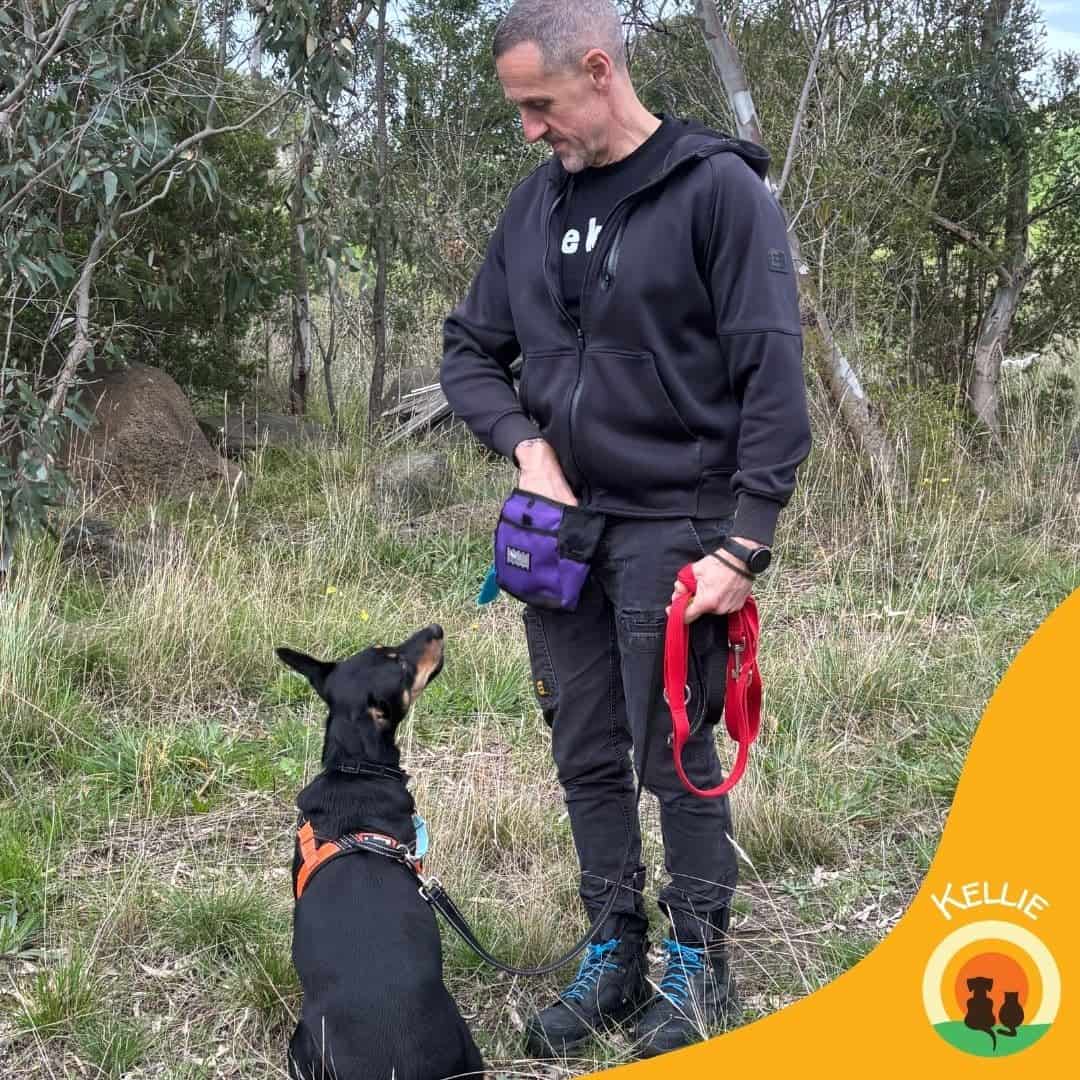
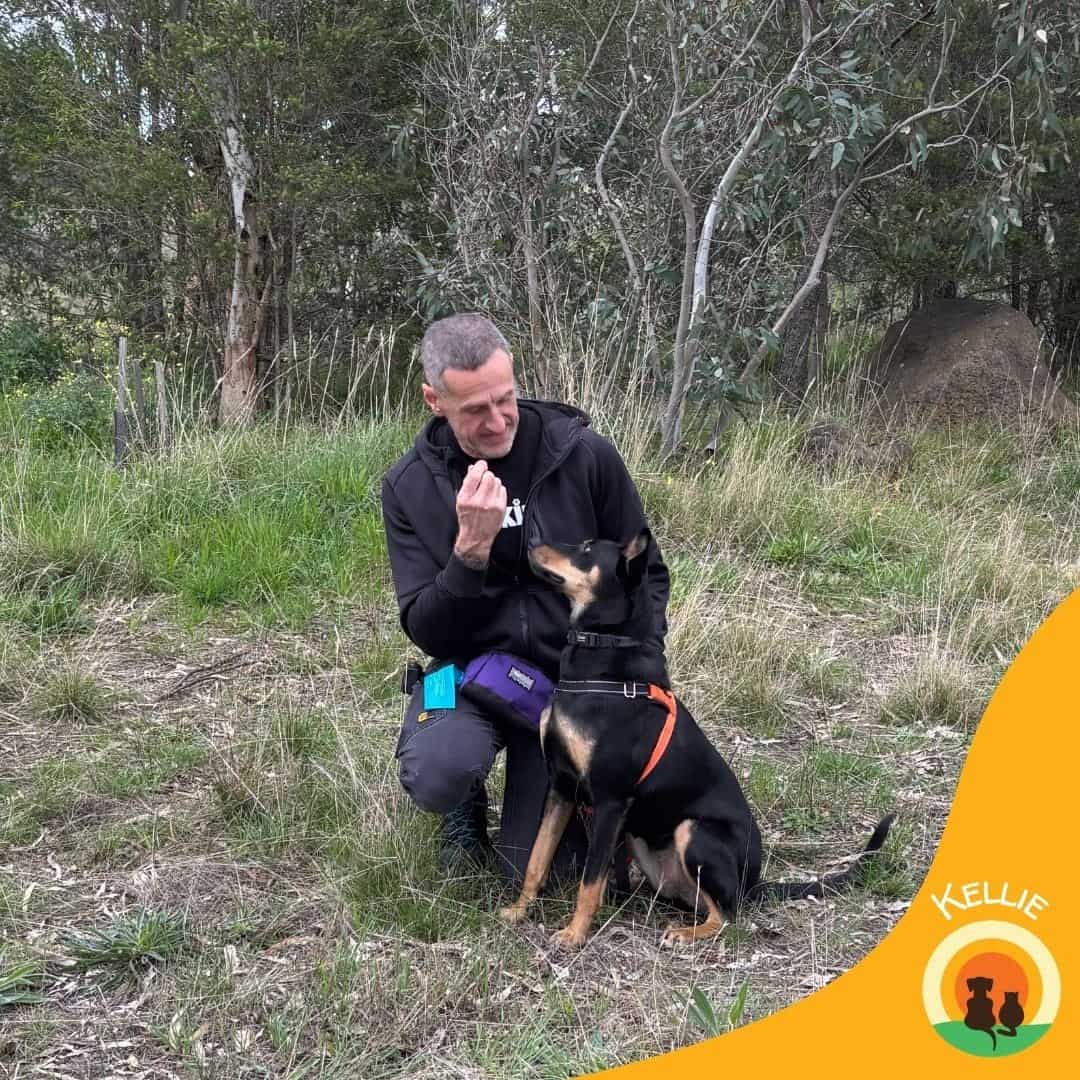
Changing the Way We Look at Behaviour
Once we recognise that behaviour has function, the focus starts to shift.
Instead of asking… “How do I stop this?”, we begin asking “Why is this happening?” and “What is the dog getting out of it?”
That shift is important because it opens up better solutions!
If a behaviour is being driven by stress or uncertainty, then the answer is not just to interrupt or prevent it. We need to look at what is causing that stress and how we can reduce it. If a behaviour is meeting a need, then we need to think about how that need can be met in a more appropriate or manageable way.
For example, if a dog is pulling on lead because they are highly motivated to explore, simply stopping the pulling without addressing that underlying motivation is unlikely to be successful long term. If a dog is barking because they are anxious, ignoring the behaviour does not change how they feel.
Behaviour change becomes much more effective when we work with the underlying drivers rather than against them.
Meeting Needs and Supporting Emotional State
A large part of behaviour work comes back to two key areas. Meeting the dog’s needs and supporting their emotional state.
Dogs need opportunities to move, explore, rest, and engage with their environment. They also need to feel safe. When these needs are not consistently met, or when a dog is regularly placed in situations they are not comfortable in, behaviour is often the first place we see it show up.
This is why management and training go hand in hand.
Management helps prevent the dog from rehearsing behaviours that are not working for us. Training helps build new skills and new responses. But underneath both of these is the emotional experience of the dog.
If a dog feels overwhelmed, anxious, or frustrated, behaviour change will be slower and less stable. If a dog feels safe and comfortable, they are in a much better position to learn something new.
Get past “Fixing” Behaviours
It is very easy to fall into the mindset of trying to ‘fix’ or ‘get rid of’ behaviours as quickly as possible. That makes sense… especially when those behaviours are affecting your daily life.
But long term change does not come from just stopping what we don’t like. It comes from understanding why it is happening, reducing the need for that behaviour, and actively teaching alternative options.
That might mean changing the environment. It might mean adjusting your own expectations. It might mean building new skills slowly over time.
It also means recognising that progress is not always linear. Like with humans, learning takes time, and behaviour can change depending on what else is going on in the dog’s world.
Taking a Practical and Compassionate Approach
When we take the time to understand behaviour in this way, it leads to a more realistic and more compassionate approach.
We are no longer just reacting to what we see… we are looking at the full picture (the environment, the history, the emotional and physical state, and the function of the behaviour itself).
From there, we can make clearer decisions about what to change, what to support, and what to teach.
This does not mean we ignore behaviours that are difficult to live with. It means we address them in a way that actually leads to lasting change.
By focusing on what the dog needs, how they are feeling, and what is driving the behaviour, we move away from just managing symptoms and move directly towards building skills and confidence.
And that is where meaningful progress happens.
Want to learn more? Contact our Shelter Trainer, Gerry, today!