
Separation Anxiety Program
Helping Dogs Feel Safe, Calm, and Confident When Alone
At Second Chance Animal Rescue (SCAR), we understand how overwhelming separation anxiety can be — for both your dog and your family. Feeling trapped, worried, or guilty every time you leave the house is something many loving pet parents experience, and you’re not alone in facing it.
Separation anxiety is more than a behaviour issue; it’s an emotional response rooted in fear and distress. Left untreated, it often intensifies over time, affecting your dog’s wellbeing and placing ongoing stress on your household. That’s why early, compassionate intervention is so important.
SCAR’s Separation Anxiety Support Services are designed to help address the root cause of your dog’s distress using humane, evidence-based training methods. Our team works with you to create a personalised plan, and guide you step by step toward lasting change. With the right support and structure, dogs can learn to feel calm, safe, and confident when home alone.
This service is beneficial not only for improving your dog’s emotional health, but also for restoring balance and peace of mind for you. With patience, guidance, and the right tools, progress is possible — and freedom, confidence, and calm can return to your home.
Support is here, and taking that first step today can truly make all the difference for you, and for your dog.
Separation Anxiety Program
Help your dog feel calm and confident
Separation anxiety is one of the most challenging behavioural issues for dogs, and their owners. Many pet parents feel trapped at home or guilty knowing their dog is distressed when they leave.
Common signs of separation anxiety include:
- Pacing, panting, or excessive drooling
- Constant barking or howling
- Chewing or destroying property, especially around exit points
- Attempts to escape
- Inappropriate elimination
- Self-harm or obsessive behaviours
If left untreated, separation anxiety usually worsens over time. Millions of dogs worldwide struggle with this condition, but the good news is that it can be treated successfully.
What is Separation Anxiety?
Separation anxiety is an intense fear of being left alone. They may panic, similar to how humans experience a panic attack. Their behaviour isn’t anger or mischief; it’s a natural response to fear. Without the right support, these behaviours do not go away on their own.
How Our Program Works
Our approach slowly helps your dog get used to being alone in a way that feels safe for them, starting small and building up over time. We always use positive methods to boost their confidence and comfort.
The process works like this:
- Your dog is introduced to short, stress-free periods alone.
- These periods are gradually increased as your dog starts to feel safe.
- Over time, your dog becomes comfortable with normal alone time, stress-free.
Research shows this method is not only humane but also the most reliable path to lasting results.
Did you know?!
Virtual Training is the Most Effective Approach for Separation Anxiety
When working with separation-related behaviours, the trainer doesn’t need to be physically present in your home. Because the goal is to observe your dog during real absences, remote sessions and video technology actually provide a more accurate and stress-free way to assess and guide the training process.
What to Expect
Separation anxiety training requires patience, consistency, and commitment, but the results are worth it! Imagine coming home to a dog who has been calmly resting instead of barking, howling, or destroying your home.
Setbacks are normal. Dogs can react to changes in routine or environment, so progress may be slow at times. Every plan is tailored to your dog, and we guide you through every step.
Myths and Misconceptions
If left with a food toy, the dog will be left with something to do and relax.
Some dogs experience such high stress when left alone that they are unable to eat, while others may enter a state of panic as soon as the food is finished. In addition, the use of food can unintentionally place greater emphasis on the departure routine.
The dog can sometimes be left alone during separation anxiety training.
During a separation anxiety protocol, the dog should not be left alone except for planned training exercises and must not experience any stressful absences.
Dogs with separation anxiety must be crated.
Dogs with separation anxiety often experience confinement-related stress, and many of them cope better when they are not confined to a crate.
Leave the TV or radio on to keep the dog “company”.
Background noise can help buffer the dog from unpredictable external sounds, but it does not prevent separation anxiety from occurring.
You’ll reinforce bids for attention by re-entering the home if your dog is vocalising.
The dog is vocalising due to anxiety, not to call you back. Anxiety is an emotional response, and emotions themselves cannot be reinforced.
How Separation Anxiety Training Works
Step 1
See if our training is the right fit
Complete a short intake questionaire. Once submitted, we’ll schedule a free 30-minute informational call to discuss your dog and your goals.
Step 2
Virtual Consultation & Assessment
Next, we conduct a 90-minute virtual consult to:
- Review your dog’s behaviour
- Discuss your goals
- Explain separation-related behaviours
- Conduct an “alone time” assessment to understand your dog’s needs
Step 3
Customised Support & Treatment Plan
We create a personalised training plan tailored to your dog. You’ll receive ongoing support 5 days a week, with guidance every step of the way to help your dog become confident and comfortable when left alone.
Ready to Help Your Dog Relax at Home?
With the right guidance and training, your dog can learn to be comfortable and confident when home alone. Contact us today to start your dog’s recovery journey.
Paws, Progress & Happy Tails
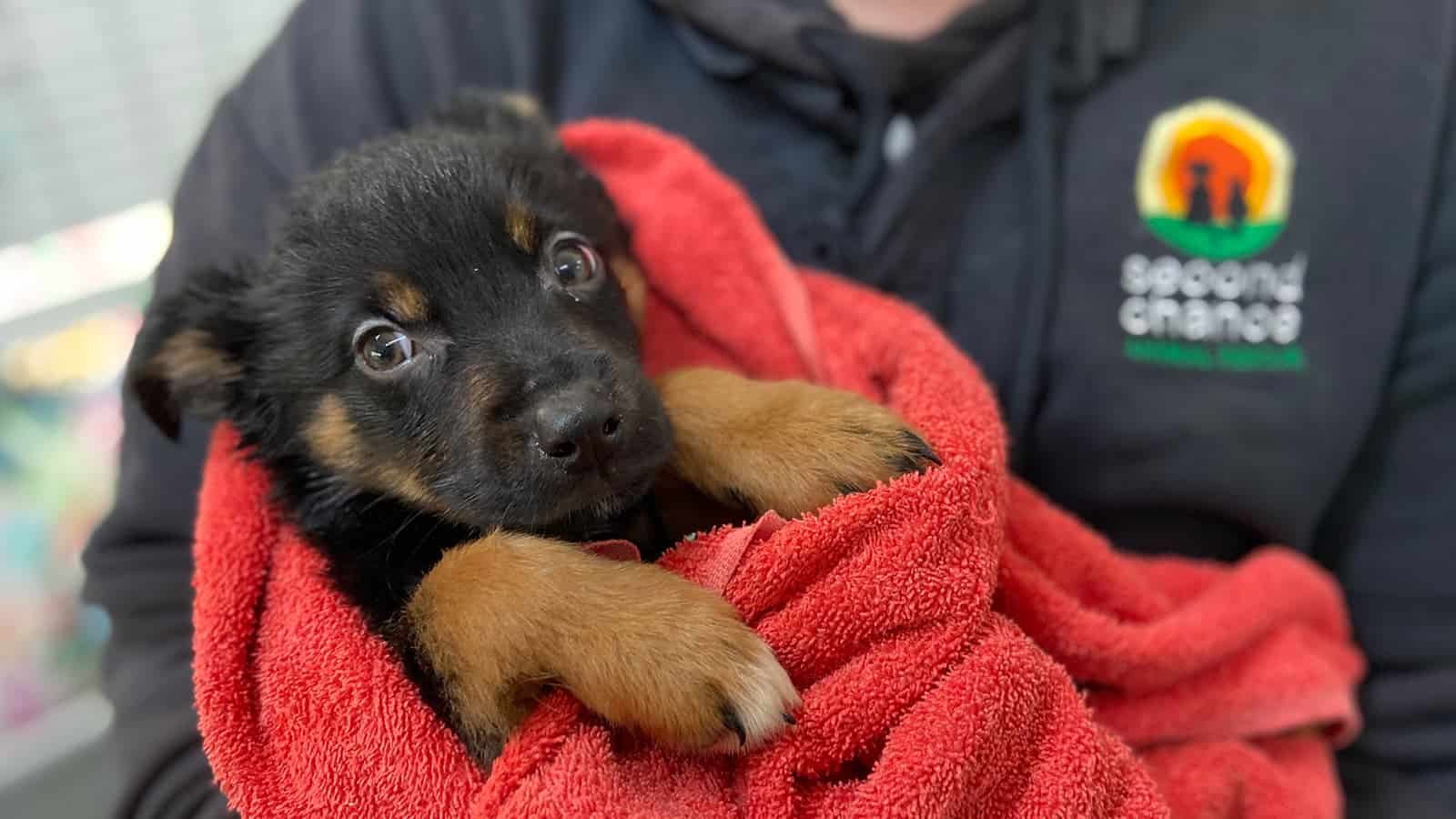
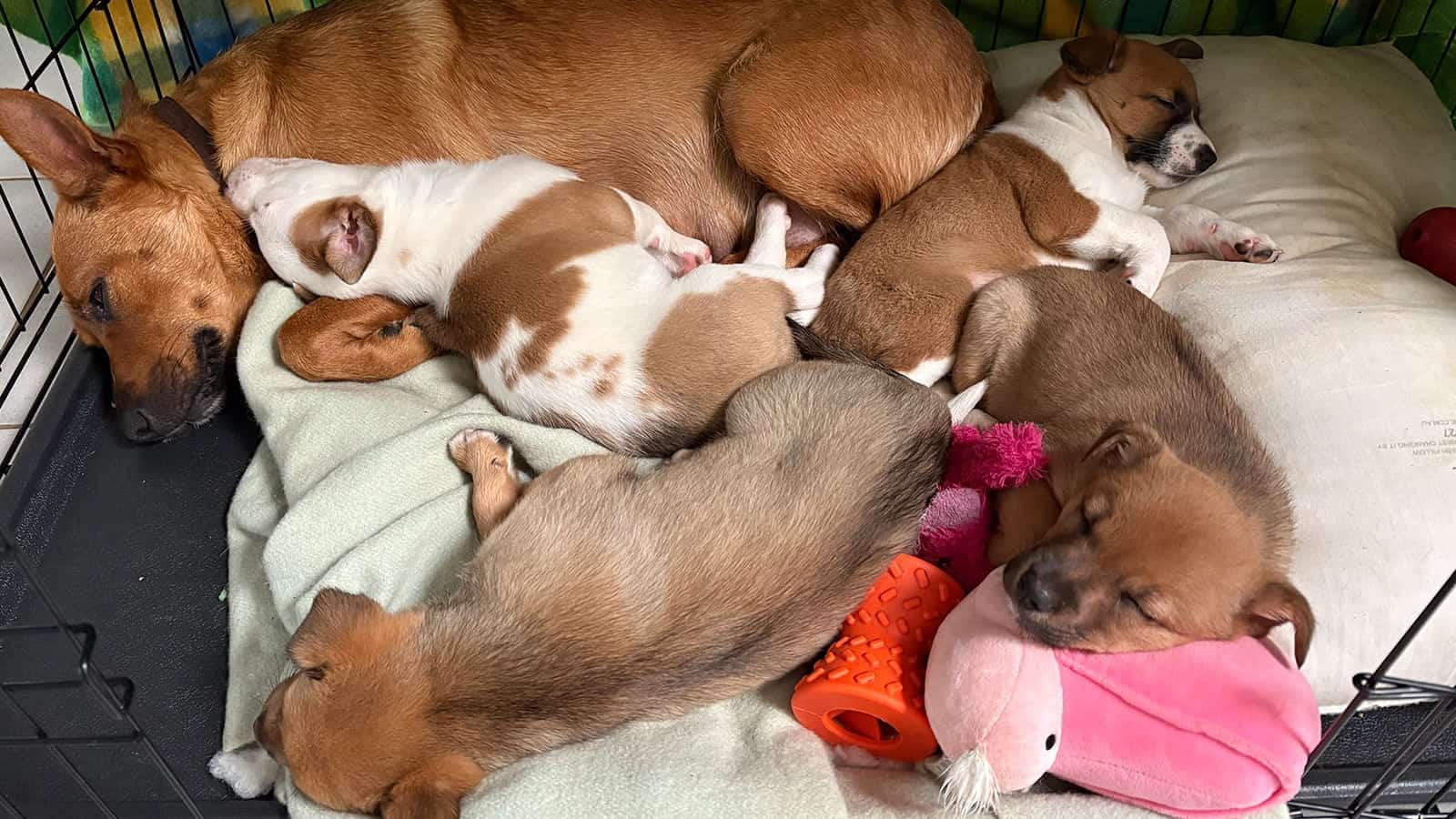
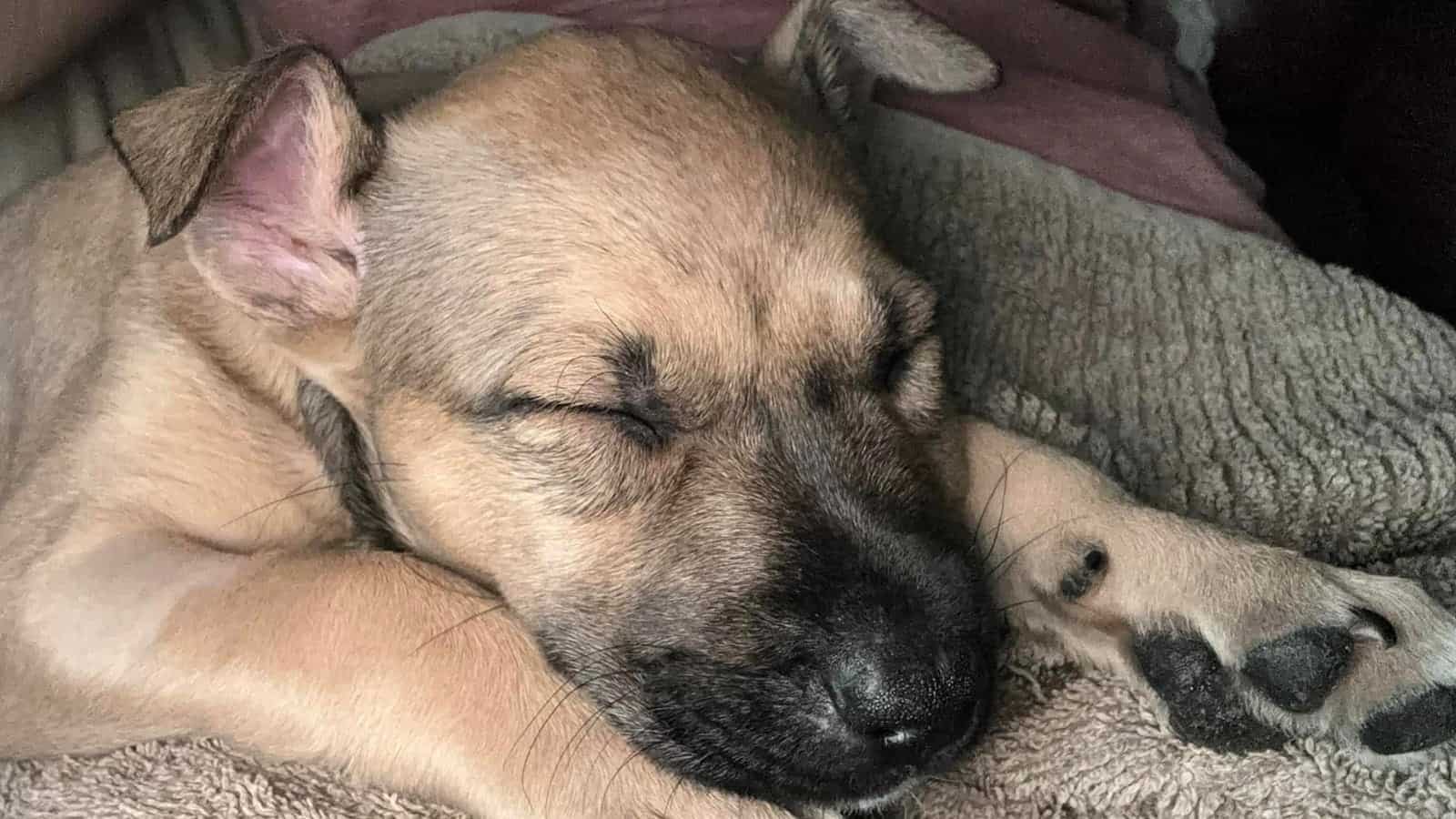
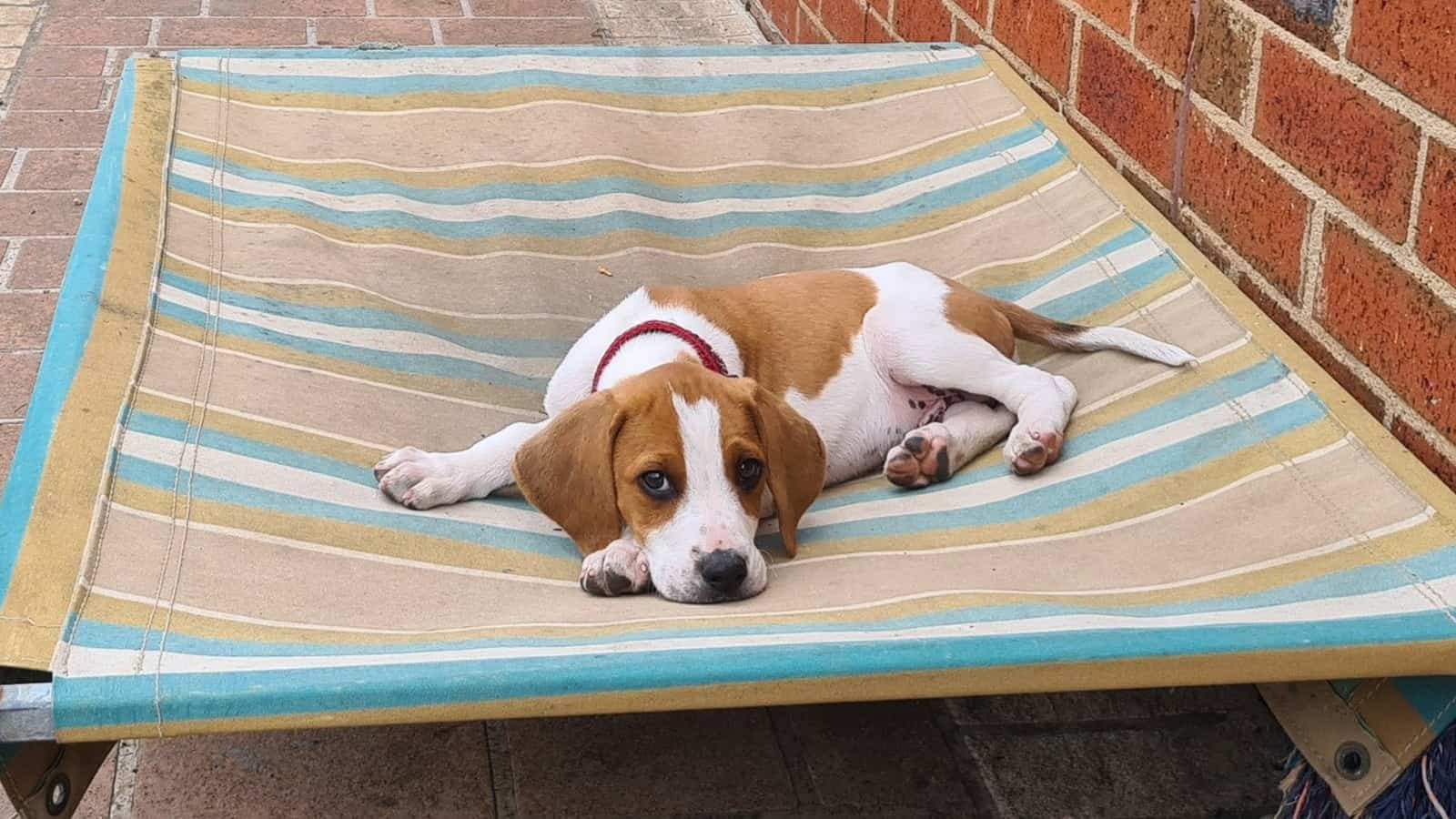
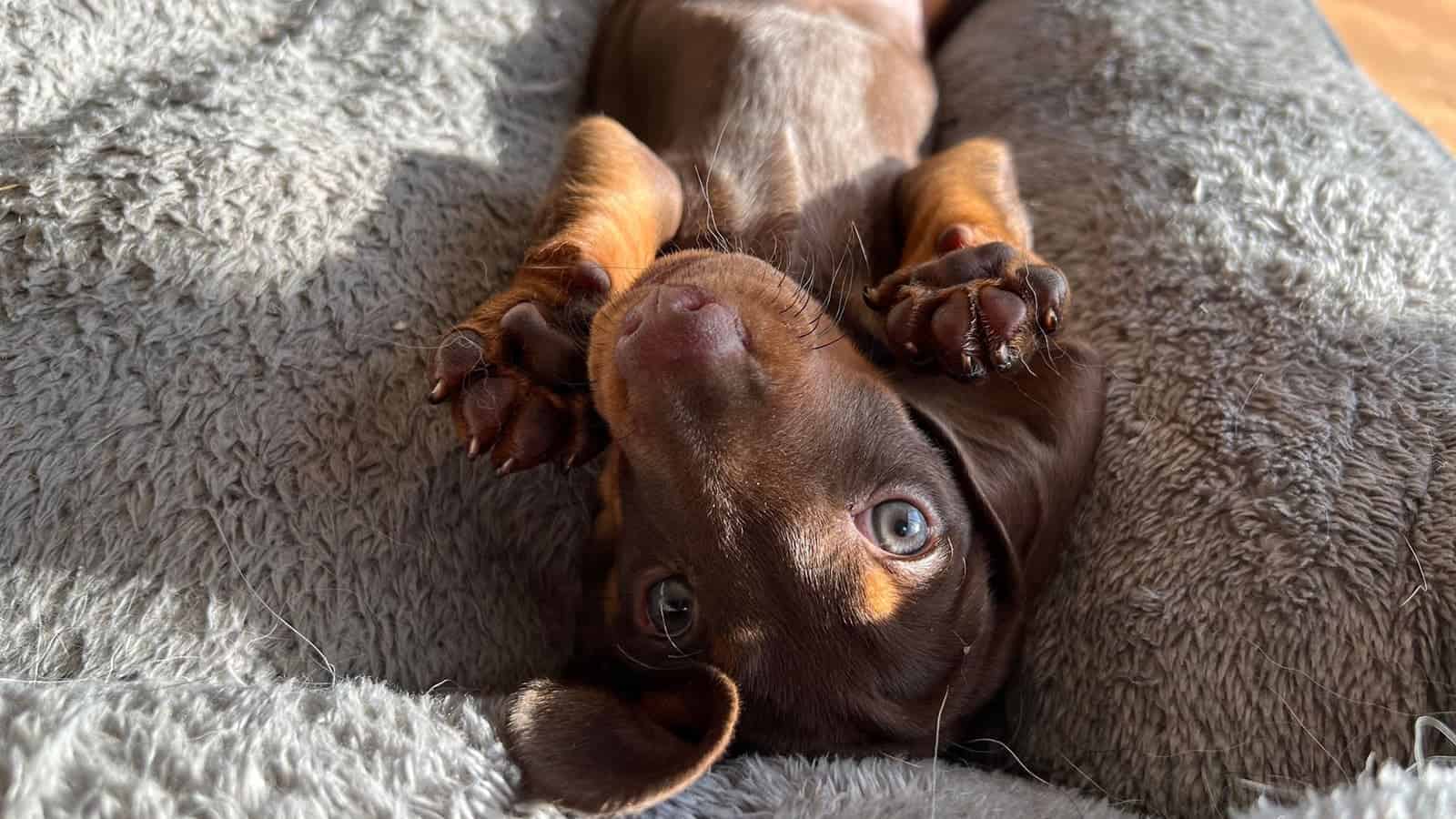
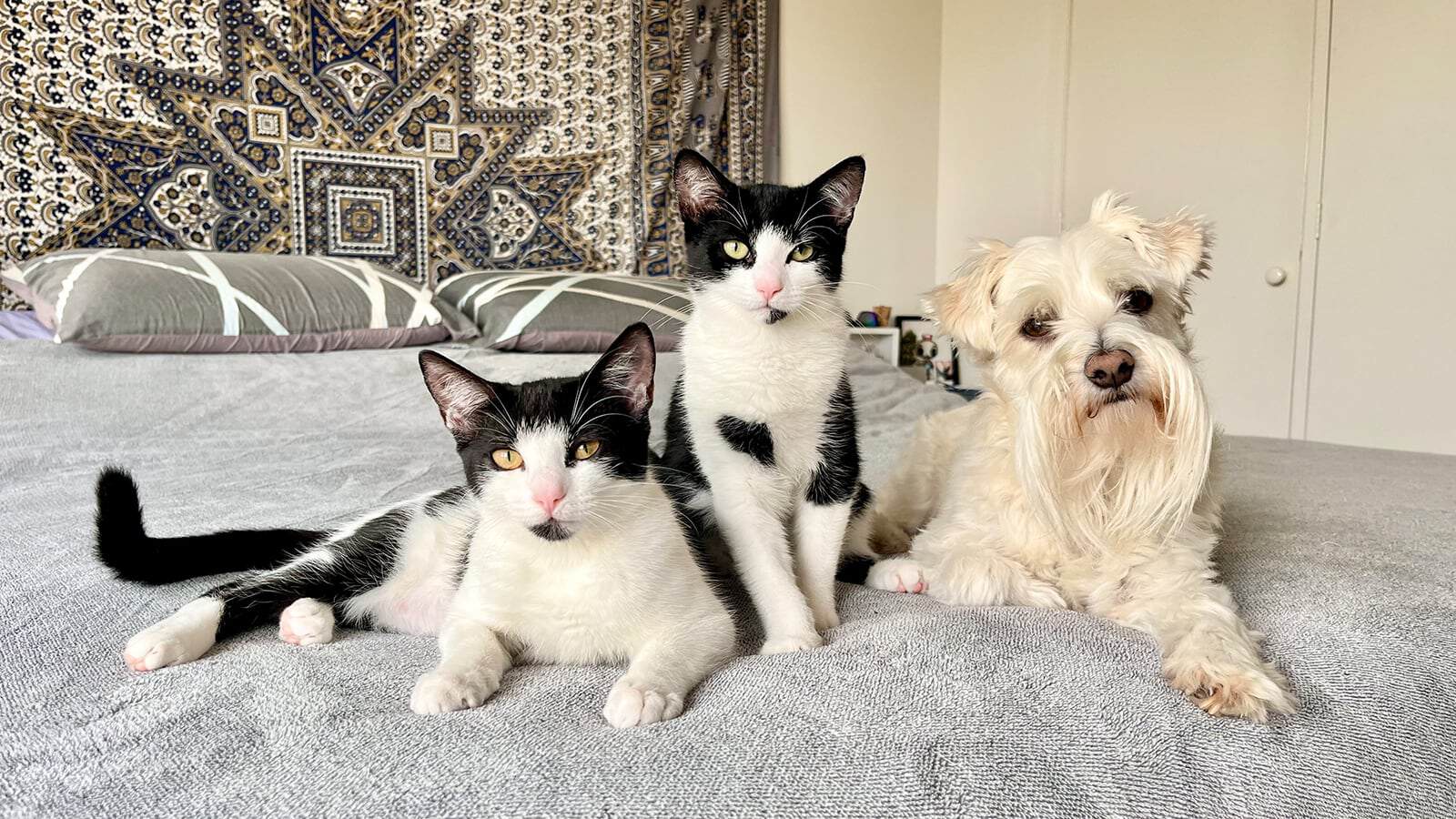
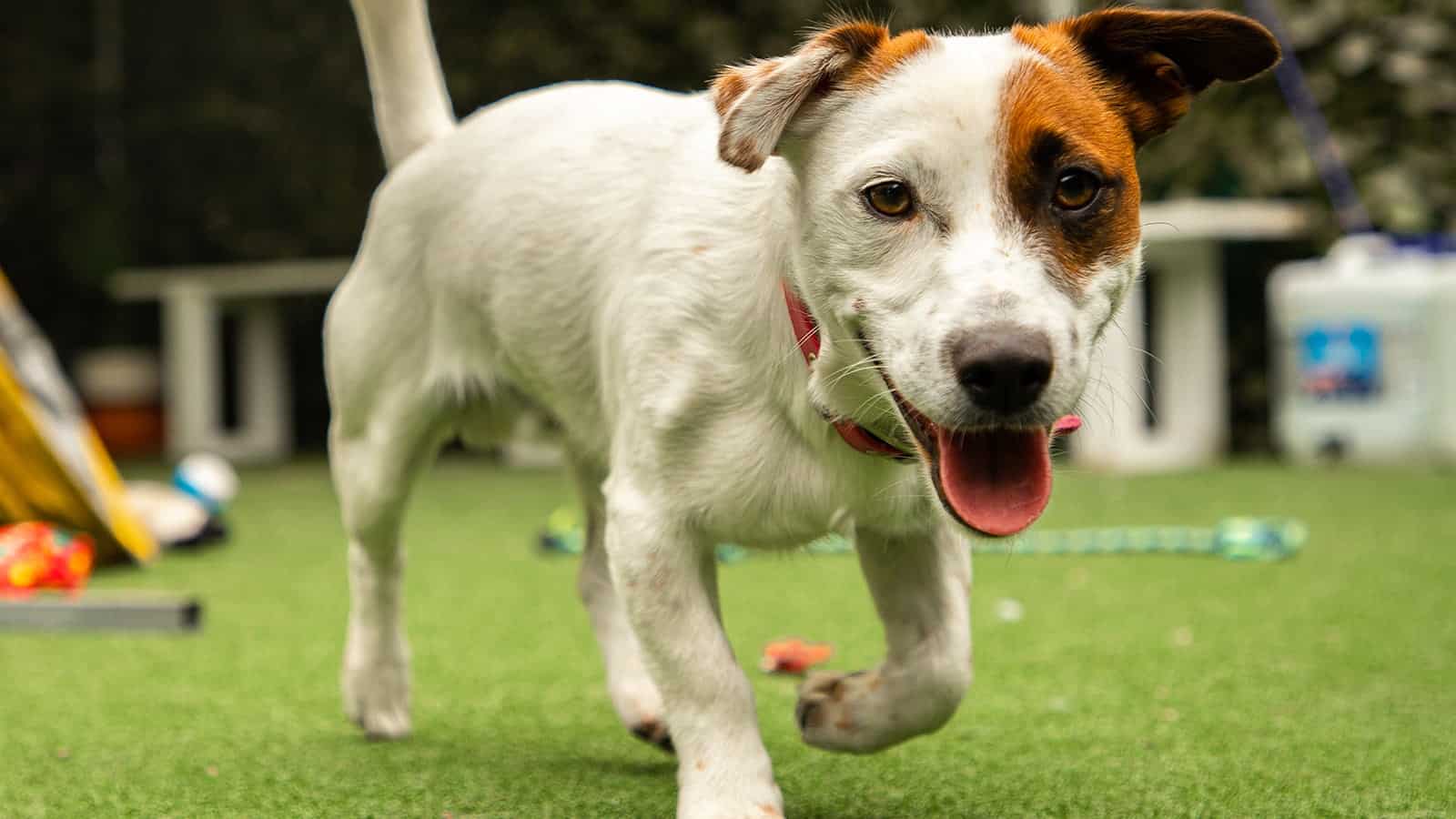
Dogs and Puppies on Their Journey with SCAR
Contact Us
Phone
Address
23 Grasslands Ave Craigieburn Victoria 3064